


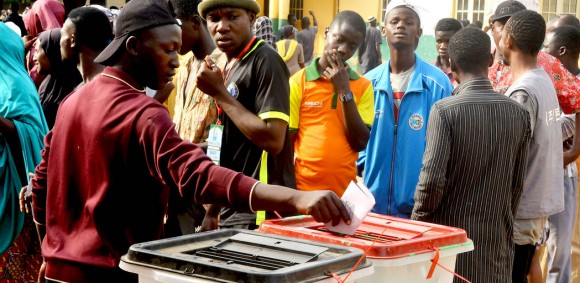
9.3 million young Nigerians just registered. Read the small print.
INEC says 9,324,349 young Nigerians registered during the Continuous Voter Registration ahead of the 2027 general elections. That sounds like a youth takeover. The small print says the opposite: voters aged 18–34 are now 29,777,576 people — 28.79% of the 103,428,715 on the register. In 2023, young voters were 39.65% of the register. Youth share has fallen by more than ten points in one cycle, even as millions more young people signed up. The register grew older faster than it grew young: the 35–49 group is now the biggest bloc at 41.83%.
The dates are set — and they are close
Presidential and National Assembly elections: 16 January 2027. Governorship and State Assembly: 6 February 2027. The Electoral Act 2026 compressed the timetable. If you are turning 18 before January, parties are already arguing you should still get to register — the AAC has demanded INEC reopen registration, warning that closing it months early locks out first-time voters. INEC has not reopened it.
Why young people register, then disappear
Civil society groups at the Youth Electoral Reform Project roundtable named the barriers plainly: collecting the Permanent Voter Card is the number one problem, then registration difficulties, weak voter education, low trust, and fear of electoral violence. Registering is step one. Voting needs the card in your hand, at your polling unit, on the day. Every step loses young people — students who registered at home but study elsewhere, workers who moved for jobs, first-timers who never collected the PVC.
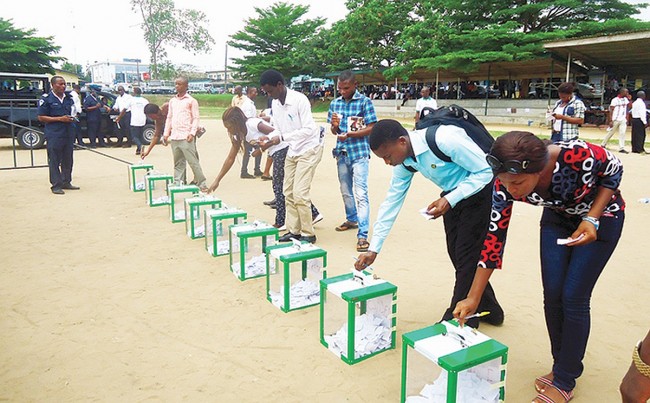
Young candidates are still rare
Since Not-Too-Young-To-Run (2018), you can run for the House at 25 and governor at 30. Yet INEC’s candidate lists still skew old — only 2,959 candidates aged 18–49 across presidential and National Assembly races in the last analysis. Young Nigerians vote in millions and govern in handfuls. That gap is the governance story: policies on jobs, education and the cost of living are decided by people a generation older than the people living them.
What this means for you
If you registered, collect your PVC — that is the whole game. If you have not, watch whether INEC reopens registration under pressure; the demand is live right now. And if you are 25-plus and serious, the law already lets you run. The 2027 election will be decided by whether 29.7 million young voters show up as a bloc — or stay home as a statistic.
Sources: INEC figures Nov 2026 (9,324,349 youth registrations; 18–34 = 29,777,576, 28.79% of 103,428,715; 2023 comparison 39.65%); election dates 16 Jan / 6 Feb 2027; YERP-Naija roundtable; Not-Too-Young-To-Run 2018.
Read next: best job websites for fresh graduates · Nigeria youth unemployment explained.

Leave a Reply