


There is roughly ₦100 billion of investment opportunity sitting in Nigeria’s creative sector. Investors with the money are looking at it — and walking away.
That is the finding of a BusinessDay report published this week, and it should be required reading for every young Nigerian filmmaker, musician and content creator who has ever wondered why the money never seems to arrive. The problem is not talent. It is not audience. It is not even capital. It is paperwork.
The meeting where the money leaves
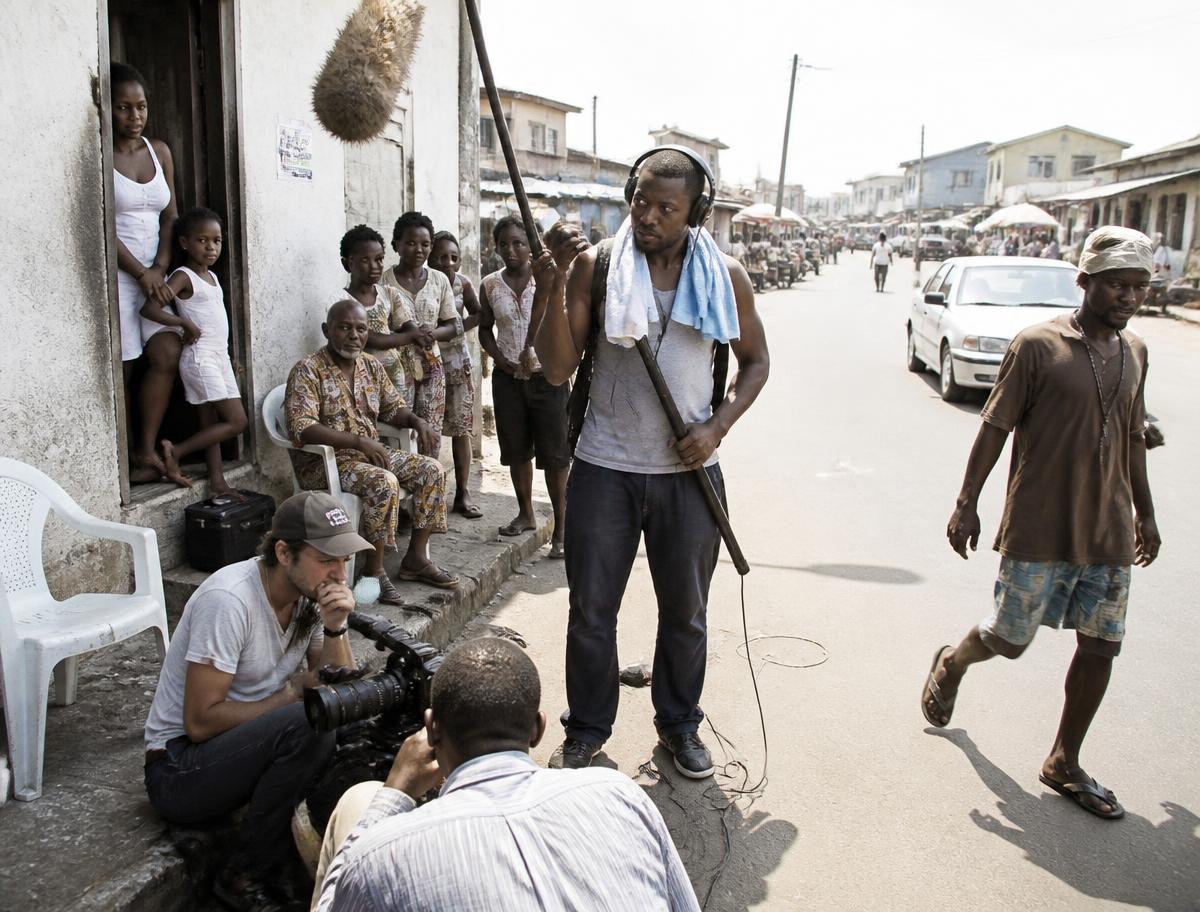
The report’s central image is painfully familiar: a filmmaker walks into an investment meeting with a script, a production budget and a story he believes in — and leaves without funding. Not because the idea failed, but because everything around the idea did. Investors evaluating Nigerian creative ventures are routinely deterred by three things: no audited financial records, unclear ownership of intellectual property, and no reliable cash-flow history they can use to price the risk.
Think about what that means. Nollywood is one of the largest film industries in the world by volume. Afrobeats drives global streaming revenue. The sector employs hundreds of thousands of young Nigerians. Yet its deal-making culture remains largely informal: projects financed from personal savings, goodwill and short-term advances; revenue collection dependent on distribution arrangements that are often undocumented. A bank cannot lend against a handshake. An investor cannot buy into IP nobody can prove they own.
The money is real — and it is moving
This is not a story about absent capital. In the last two weeks alone:
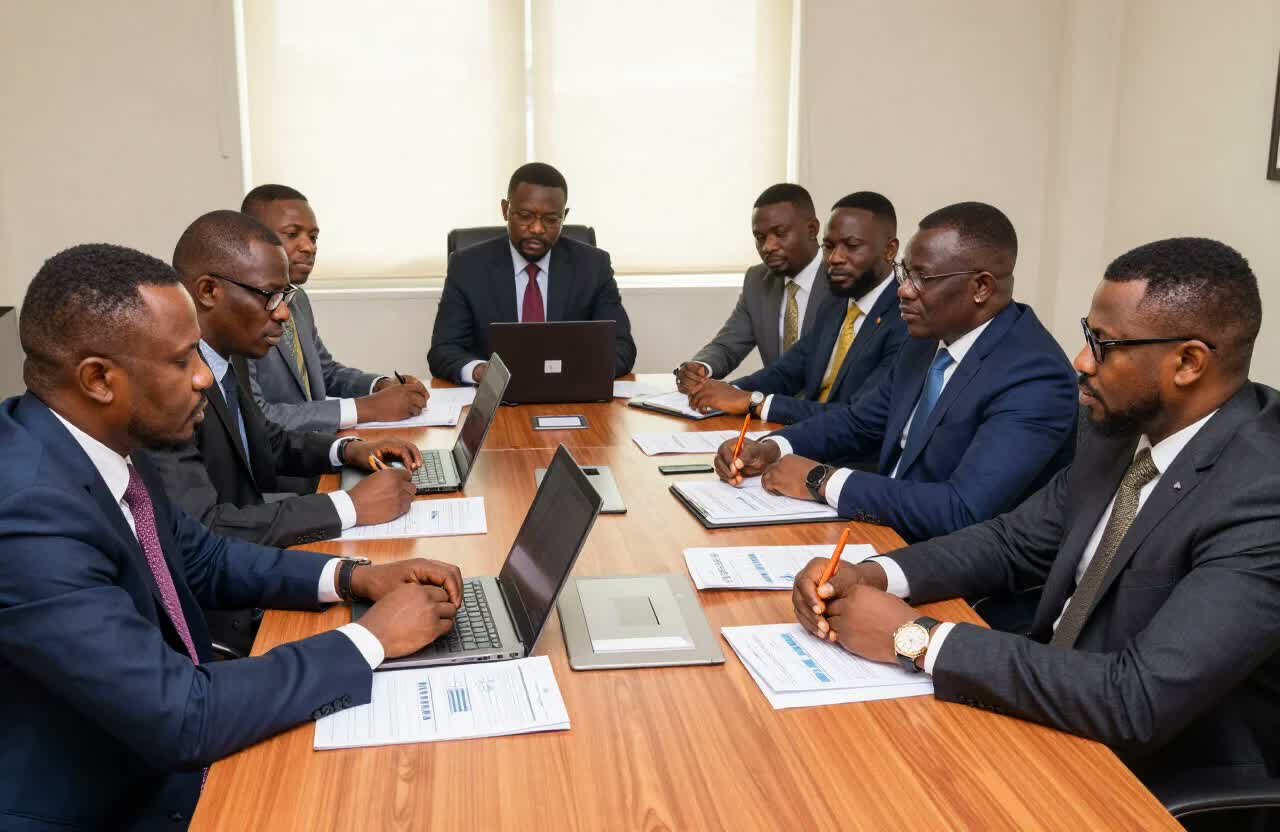
At the AFRIFF Film and Content Market in Lagos (3–4 November), ten African film companies held around 30 one-to-one investment meetings with the IFC, MBO Capital, Logical Pictures, Chapel Hill Denham, Kuramo Capital, Oui Capital, Verod-Kepple Africa Ventures, Breega and Filmhouse Group — seeking between $250,000 and $5 million each.
On 10 November in Paris, Mo Abudu’s EbonyLife Group and Logical African Partners launched the Afro Film Fund: $50 million to finance around 35 African films over eight years, with first disbursements expected in early 2027.
On 19 November, Afreximbank and NEXIM sealed a $30 million export financing facility for Nigerian SMEs — explicitly including fashion, film, music and design businesses.
MBO Capital has already put $1.25 million into Clarissa, the Esiri Brothers’ feature starring Sophie Okonedo and David Oyelowo, structured with a NEON distribution deal and an $850,000 minimum guarantee — and the film played Cannes and Toronto in 2026.
Logical Pictures alone has invested in 65 films, with its second fund committing roughly €80 million across 45 productions. The money exists. It is actively looking for African stories. It is simply refusing to fund businesses it cannot verify.
What “investable” actually looks like
Adekunle Adebiyi, executive director of investments at MBO Capital, put it plainly at AFCM: the financing challenge is an equity problem, not a shortage of lenders. Investors need evidence of commercially viable projects, transparent financial records, clearly defined IP rights and distribution arrangements capable of generating returns.
The fixes the report recommends are procedural, not romantic: standardised financial record-keeping — real accounts, kept from day one; template production contracts — so ownership, splits and obligations are written down before the cameras roll; IP registration through the proper registries — so a catalogue is an asset a bank can value, not a claim; and collection societies and escrow structures — so revenue is tracked and shared transparently.
Nigeria already has the rails for this. Fintech infrastructure — virtual accounts, payment gateways — can track revenue per title. Streaming platforms generate exactly the transaction data underwriters need. The Central Bank’s creative-sector interventions and Afreximbank’s facilities show development finance sees the opportunity. What is missing is the habit of running a creative business like a business.
The bottom line for young creatives
If you are a young Nigerian making films, music or content, the ₦100 billion question is not “where is the money?” The money is in Lagos, in Paris, in meeting rooms at AFRIFF, looking for somewhere to go. The question is whether your work is packaged in a form money can say yes to: accounts, contracts, registered IP, documented revenue.
Talent got Nollywood and Afrobeats to the world. Paperwork will decide who gets paid for it.
Read next: Just Finished NYSC With No Job Waiting? The Best Job Websites in Nigeria for Fresh Graduates · Nigeria’s Youth Unemployment Is 6.5% on Paper
Sources: BusinessDay report on creative-sector investment barriers (16 November 2026); BusinessDay AFRIFF Film & Content Market coverage (November 2026); EbonyLife/Logical African Afro Film Fund launch (10 November 2026); Afreximbank/NEXIM facility announcement (19 November 2026).

Leave a Reply